Hedge Trimming in Soho

Our hedge trimming in Soho focuses on shaping, reducing and tidying hedges so they look deliberate, balanced and well kept. Whether the hedge needs a light seasonal cut or a more careful reduction to restore structure, we work with the plant’s growth habit and the setting around it. The aim is a clean finish that supports healthy regrowth while keeping the boundary, frontage or planted feature looking smart.
Hedges can become uneven for many reasons: rapid summer growth, shaded side shoots, old wood at the base or previous cuts that were too heavy on one side. We trim with those issues in mind, so the work is not only about making edges straight but about improving shape and density over time. Different hedge species respond differently, so the approach has to suit the plant rather than forcing every hedge into the same profile.
If you are planning hedge trimming in Soho, start by identifying the hedge type and the finish you want. A narrow ornamental hedge, a taller screening hedge and a mixed frontage hedge all call for different methods. If you want to make an enquiry, use the quote and contact pages below to send the details that matter most.
Hedge cutting and shaping for tidy boundaries
Precise hedge cutting makes a clear difference to the look of a property. We can trim the face, top and sides so the hedge reads as one continuous line rather than a collection of protruding shoots. That matters on front gardens, shared boundaries and garden edges where a neat outline helps the whole space feel organised. Good shaping also leaves enough healthy growth for the hedge to recover evenly after the cut.
For hedges that have been left to thicken, trimming may need to be staged more carefully. A heavy reduction can expose bare inner stems or create a harsh profile, so it is usually better to remove growth in a way that respects the plant’s existing structure. Where the hedge is already compact, a lighter finish can maintain density without turning the work into a drastic cutback. The best result is often one that looks simple from the outside but has been planned with the plant’s future growth in mind.
Maintenance plans for regular hedge care

Regular hedge maintenance keeps growth under control before it becomes awkward or overextended. That usually means trimming at the right points in the growing cycle, following the hedge’s natural shape and avoiding repeated hard cuts that can cause an untidy outline. A steady maintenance approach also makes the job more predictable, because the hedge is easier to read, measure and finish cleanly from one visit to the next.
Where hedges form part of a wider garden routine, this work can sit comfortably alongside other outdoor maintenance. It may be useful to think about the hedge in relation to neighbouring beds, paths, lawns and fences, because a well-trimmed hedge can improve access, light and the overall sense of order. If other areas need attention as well, you may find it helpful to look at our garden maintenance service alongside hedge trimming.
For customers who want a broader refresh, hedge work can also be coordinated with greener spaces that are being neatened at the same time. A tidy hedge often works best as part of a complete garden plan rather than as a stand-alone cut, especially where the boundary planting and ground level are both carrying seasonal growth.
Reducing overgrowth and restoring shape
Some hedges are no longer simply due a trim; they have become overgrown, widened or uneven and need more deliberate restoration. In those cases, the work is about bringing the plant back to a manageable form without stripping away too much healthy growth at once. That can mean taking the sides in gradually, correcting a lopsided top and re-establishing a line that makes sense for the available space.
Restoration trimming is especially useful where a hedge has started to shade out nearby plants, obscure paths or lose its intended function as a screen or border. A careful reduction can improve visibility and access while still leaving the hedge with enough structure to recover. If the hedge is part of a broader garden change, the work can sit naturally beside other planting or layout decisions, particularly where the aim is to make the whole space feel more purposeful.
What a hedge trimming visit may involve
[pIMG_3]A typical hedge trimming visit begins with assessing the hedge’s height, width, density and condition. From there, the cut can be planned around the shape you want to keep and the access available around the planting. The actual trimming may involve working along the full run of the hedge in sections, clearing loose clippings as the work progresses and checking the profile from more than one angle so the finish is even.
Useful information before you request a quotation usually includes the hedge’s approximate length and height, whether it is single-sided or double-sided, and whether there are awkward access points, slopes or obstacles nearby. A couple of clear photos can also help describe the job accurately. If you are ready to compare the detail of the work and next steps, the pricing and quotes page is a sensible place to begin.
It can also help to mention whether the hedge is being maintained regularly or has been left to grow for some time. That difference affects the likely effort involved and the most suitable approach to cutting. In many cases the right plan is less about doing more and more about trimming in the correct order so the hedge keeps a balanced outline after the work is done.
Hedge types, finishes and seasonal considerations
Not every hedge is trimmed for the same reason. Some are planted for privacy, some mark a boundary and some are simply there to add structure to a frontage or garden edge. A clipped ornamental hedge may need a very sharp finish, while a more established screening hedge might only need a controlled reduction and a tidy face. The target shape should suit both the plant and the role it plays in the space.
Seasonal growth also affects the style of trimming. Fast-growing hedges can need more frequent attention during active growth periods, whereas slower species may hold shape for longer between visits. It is sensible to avoid treating every hedge as if it were the same variety, because leaf density, stem thickness and recovery rate all influence how the cut should be made. If the hedge is part of a planted frontage, the surrounding beds and access points can also help determine how conservative the trimming should be.
Other outdoor work that can sit alongside hedge trimming
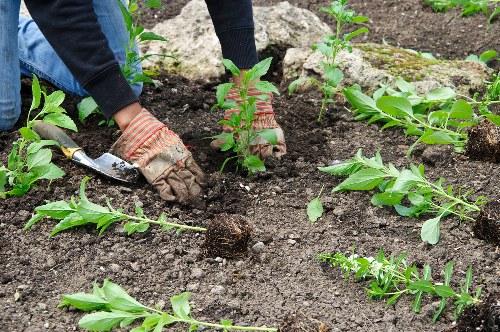
Many customers choose to combine hedge trimming with related outdoor tasks so the whole space is brought into better order at the same time. That can include cutting back excess growth, tidying the wider garden edges or clearing away material that has built up around the hedge line. When the work extends beyond a simple trim, it is often better to think about the full condition of the boundary rather than the hedge alone.
If you need a more wide-ranging tidy-up, our garden clearance and garden maintenance pages explain the sort of support that can sit around hedge work. For gardens with larger planted sections or a need to reshape the wider layout, the landscape gardening and landscaping services may also be relevant. Those pages help when the hedge is only one part of a broader improvement plan.
Some customers prefer to address lawns or trees at the same time so the finished garden feels consistent rather than half-finished. In those situations, it helps to think about what the hedge needs most: a simple tidy, a reduction in bulk or a more complete change to the surrounding space. Bringing the right jobs together can make the overall result more coherent and easier to keep under control afterwards.
Preparing for a quotation and choosing the right scope
When asking for a quotation, clarity matters more than a long description. A straightforward note about the hedge location, the length of the run, its approximate height and whether you want a light trim or a reduction is usually enough to start the conversation. If access is tight, if the hedge sits over a wall or if there are nearby plants that need protecting, mention that as well so the scope can be understood properly.
You do not need to over-explain the garden, but it is useful to say whether any clipping needs to be removed and whether the hedge has grown into a difficult state. A quick set of measurements or photos can prevent misunderstandings and help the quotation reflect the actual work involved. If you are ready to take that step, the final contact route below is there for a direct enquiry.
About Soho
Soho is a compact district in the West End of London, bordered by areas such as Mayfair, Covent Garden, Piccadilly Circus and Oxford Street. Historically, it developed from open fields and hunting land into a fashionable urban quarter, later becoming known for theatres, music, publishing, restaurants and nightlife. Its streets are closely knit, with a strong mix of 18th- and 19th-century building stock, narrow lanes and a patchwork of commercial premises above and at ground level. The area’s street pattern reflects centuries of urban change rather than a single planned layout, which gives it a layered character that is easy to notice in the smaller streets around the busier thoroughfares. Soho Square remains one of the district’s best-known open spaces, while nearby streets contain many listed buildings and a dense concentration of historic façades. The area also has a long association with immigrant communities, creative industries and cultural venues, including cinemas, clubs and independent businesses. Ward boundaries and administrative labels have shifted over time, but Soho’s identity has stayed closely tied to its central location and lively street life. Even today, the district is defined as much by its compact geography and mixed uses as by any single landmark, with a street scene that combines heritage architecture, hospitality and a very urban sense of place.
Garden surfaces and finishing details around the hedge

The finish around a hedge can be just as important as the cut itself. Edges, borders and nearby surfaces influence how neat the hedge appears once the trimming is complete. A clean line at the base and a clear edge along the top or side can make a hedge feel deliberate rather than simply shortened. Where clippings fall onto paths or planting beds, it is sensible to clear them so the result is easy to see and use.
Hedges next to paving, decking or lawn margins often benefit from a careful approach that respects the surfaces nearby. If the hedge sits close to a structure, there may be a need to work more selectively on one side or to keep the outline narrower than it would otherwise be. For customers comparing related services, our lawn-mowing, decking-services and tree-lopping-and-removal pages show other areas that can be planned alongside hedge work where appropriate.
When you are ready to request a quotation, the contact-us page is the best final step. Tell us what the hedge needs, how large it is and whether you want regular maintenance or a one-off trim, and we can help you move from an overgrown line to a neater, more manageable finish.